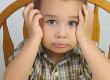
Misdiagnosis Controversy of ADHD


An important part of treating ADHD is to accurately diagnose it in the first place. But in a recent study, it was found that misdiagnosis of ADHD may be a major problem. The study suggested that nearly one million children in the United States could be misdiagnosed every single year.
What Causes the Misdiagnosis?
The reason could be as simple as the child being the youngest one in their school year, where the youngest in the classroom is twice as likely to be taking an ADHD medication. Another study suggests a similar reason. That study found children who were born either just before or after the cut-off date for their first year of school had a higher likelihood of being diagnosed with ADHD.ADHD Stimulant Medications
In the first study, approximately twelve thousand children were examined. Researchers analysed the differences in ADHD diagnosis and medication rates in the youngest and oldest children in their first year of school. In the United States and some other countries it is known as kindergarten.Teacher Perceptions
The youngest children in kindergarten were much more likely to receive the ADHD diagnosis and be put on stimulant medications compared to those in class who were older. Another key influence was the perception of a teacher regarding whether or not they showed ADHD symptoms. This, coupled with the child’s age relative to others in the class, seemed to be the biggest determinant of receiving a diagnosis of ADHD.Normal Childhood Inattention
Researchers think that if a child is not behaving in class, it could be related mostly to his or her young age rather than ADHD. The child might be inattentive and having trouble sitting still but this could simply be due to the age of the child compared to other children.A one-year age difference at that level can have significant results. This is something important that researchers think teachers need to be aware of in their classroom. By medicating these children when the ADHD diagnosis is inaccurate, there could be serious consequences for the child – physically, mentally and socially. On top of that, the enormous costs of medication are a burden on the family and the healthcare system.
What Happens Later?
At the start, the youngest child in kindergarten is sixty percent more likely to be diagnosed with ADHD than the oldest child in the classroom. Then, once these groups got to the fifth and eighth grades, the youngest was more than two times as likely to be taking a prescription stimulant medication for ADHD.The overall estimate is that one in 5 children in the United States is being misdiagnosed with ADHD. This equates to nearly a million children with ADHD right now who have been incorrectly diagnosed with the disorder.
Moving Forward With Better Ways to Diagnose ADHD
The recent studies are important in helping us learn the factors that influence accurate ADHD diagnosis. While ADHD medications are an important treatment in helping those who truly suffer from ADHD, they can be harmful to those who do not have the condition. Hopefully, teachers can be informed of the study results and be more aware and cautious when reporting on behaviours to parents.Business Energy With a Difference
If you are looking for business energy or need advanced solutions like remote energy monitoring, new supplies, downgrading or upgrading capacity, have a no obligation chat with Purely Energy.
To find our more get in touch here. or call 0161 521 3400.